Habitat restoration
Support habitat restoration projects that revive damaged ecosystems, protect biodiversity and help nature recover.
From £5.55/m²

Habitat restoration
Support habitat restoration projects that revive damaged ecosystems, protect biodiversity and help nature recover.
From £5.55/m²
Habitat restoration
Support habitat restoration projects that revive damaged ecosystems, protect biodiversity and help nature recover.
From £5.55/m²



What is habitat restoration?
Habitat restoration repairs ecosystems that have been damaged or degraded, helping native plants and wildlife recover. Activities can include restoring peatlands, wetlands, wildflower meadows, woodlands and seagrass habitats. Ecologi supports assessed projects that strengthen biodiversity, ecosystem health and local communities.
What is habitat restoration?
Habitat restoration repairs ecosystems that have been damaged or degraded, helping native plants and wildlife recover. Activities can include restoring peatlands, wetlands, wildflower meadows, woodlands and seagrass habitats. Ecologi supports assessed projects that strengthen biodiversity, ecosystem health and local communities.
What is habitat restoration?
Habitat restoration repairs ecosystems that have been damaged or degraded, helping native plants and wildlife recover. Activities can include restoring peatlands, wetlands, wildflower meadows, woodlands and seagrass habitats. Ecologi supports assessed projects that strengthen biodiversity, ecosystem health and local communities.
Explore our impact categories

Tree planting
Restores forests, supports biodiversity and helps remove carbon from the atmosphere over time while creating benefits for local communities.

Habitat restoration
Restores wetlands, grasslands and other ecosystems to protect wildlife, improve natural systems and support resilient communities.

Carbon avoidance
Reduces greenhouse gas emissions by supporting projects that prevent emissions from entering the atmosphere.

Carbon removal
Removes carbon dioxide from the atmosphere and stores it through natural or technological processes.
Explore our impact categories
Tree planting
Restores forests, supports biodiversity and helps remove carbon from the atmosphere over time while creating benefits for local communities.
Habitat restoration
Restores wetlands, grasslands and other ecosystems to protect wildlife, improve natural systems and support resilient communities.
Carbon avoidance
Reduces greenhouse gas emissions by supporting projects that prevent emissions from entering the atmosphere.
Carbon removal
Removes carbon dioxide from the atmosphere and stores it through natural or technological processes.
Explore our impact categories
Tree planting
Restores forests, supports biodiversity and helps remove carbon from the atmosphere over time while creating benefits for local communities.
Habitat restoration
Restores wetlands, grasslands and other ecosystems to protect wildlife, improve natural systems and support resilient communities.
Carbon avoidance
Reduces greenhouse gas emissions by supporting projects that prevent emissions from entering the atmosphere.
Carbon removal
Removes carbon dioxide from the atmosphere and stores it through natural or technological processes.
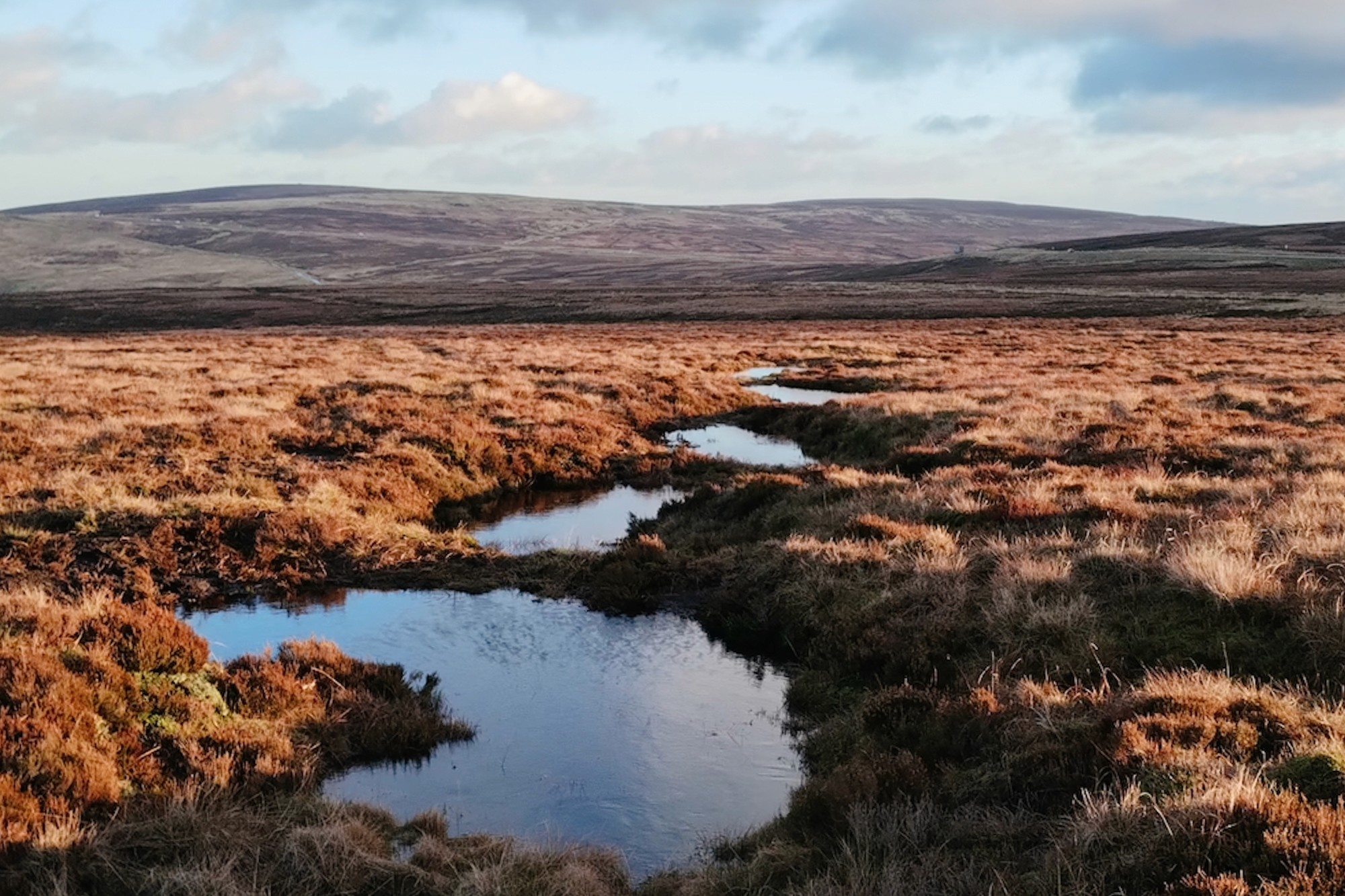
The benefits of habitat restoration
Habitat restoration can support climate action, restore nature and create lasting benefits for people and communities.
Climate
Healthy peatlands, wetlands, woodlands and coastal habitats can store carbon and help protect existing carbon stocks. Restoration can also strengthen resilience to flooding, erosion, drought and other climate pressures.
Nature
Restoration can rebuild habitats, improve soil and water health and support native plants and wildlife. Projects are selected for their potential to strengthen whole ecosystems and deliver lasting biodiversity gains.
People
Healthy ecosystems provide clean water, flood protection, recreation and other benefits for communities. Well designed projects can also create local jobs, support skills and involve people in the long term care of restored landscapes.
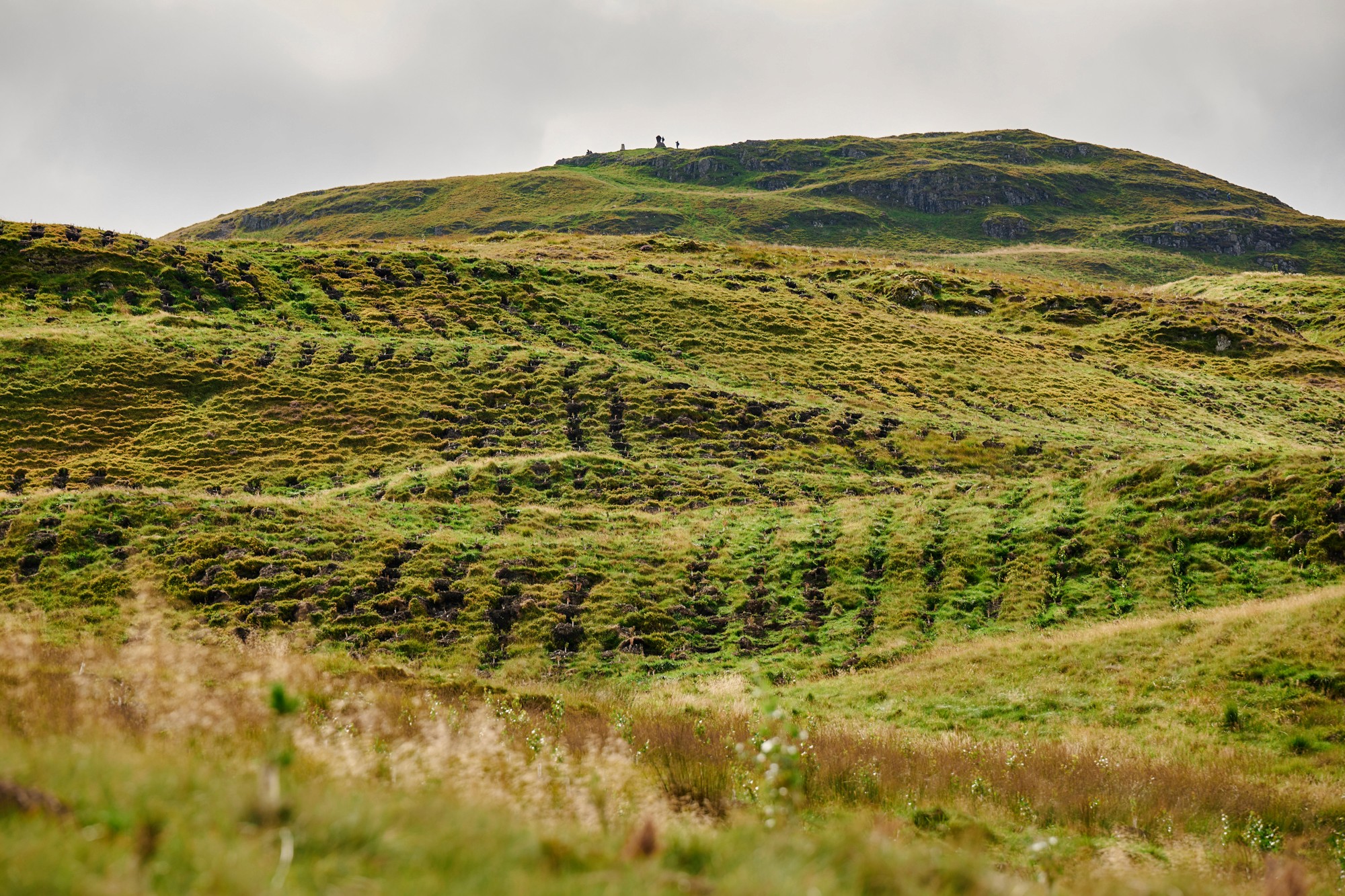
The benefits of habitat restoration
Habitat restoration can support climate action, restore nature and create lasting benefits for people and communities.
Climate
Healthy peatlands, wetlands, woodlands and coastal habitats can store carbon and help protect existing carbon stocks. Restoration can also strengthen resilience to flooding, erosion, drought and other climate pressures.
Nature
Restoration can rebuild habitats, improve soil and water health and support native plants and wildlife. Projects are selected for their potential to strengthen whole ecosystems and deliver lasting biodiversity gains.
People
Healthy ecosystems provide clean water, flood protection, recreation and other benefits for communities. Well designed projects can also create local jobs, support skills and involve people in the long term care of restored landscapes.
The benefits of habitat restoration
Habitat restoration can support climate action, restore nature and create lasting benefits for people and communities.
Climate
Healthy peatlands, wetlands, woodlands and coastal habitats can store carbon and help protect existing carbon stocks. Restoration can also strengthen resilience to flooding, erosion, drought and other climate pressures.
Nature
Restoration can rebuild habitats, improve soil and water health and support native plants and wildlife. Projects are selected for their potential to strengthen whole ecosystems and deliver lasting biodiversity gains.
People
Healthy ecosystems provide clean water, flood protection, recreation and other benefits for communities. Well designed projects can also create local jobs, support skills and involve people in the long term care of restored landscapes.
How we assess habitat restoration projects
Ecologi uses its Nature Projects Assessment Framework to assess habitat restoration projects for ecological quality, community benefits and delivery risk.

1. Initial due diligence
We review each project’s ecological rationale, delivery partner, land protection, governance, stakeholder engagement and safeguarding practices. We also assess local conditions and risks, including natural hazards, climate impacts and partner capability, to identify projects with a credible plan for lasting outcomes.
2. Project scoring
Projects are assessed across biodiversity, ecosystem services, socioeconomic impacts and governance. We review evidence of their potential to restore habitats, improve ecosystem functions, benefit communities and support responsible management, then adjust the assessment for delivery risk so projects can be compared consistently.
3. Monitoring and reporting
We review project updates, monitoring evidence, remote sensing, field information and third party validation where available. This helps us track progress, understand whether intended outcomes are being delivered and report transparently on activities, results, challenges and risks.
How we assess habitat restoration projects
Ecologi uses its Nature Projects Assessment Framework to assess habitat restoration projects for ecological quality, community benefits and delivery risk.
1. Initial due diligence
We review each project’s ecological rationale, delivery partner, land protection, governance, stakeholder engagement and safeguarding practices. We also assess local conditions and risks, including natural hazards, climate impacts and partner capability, to identify projects with a credible plan for lasting outcomes.
2. Project scoring
Projects are assessed across biodiversity, ecosystem services, socioeconomic impacts and governance. We review evidence of their potential to restore habitats, improve ecosystem functions, benefit communities and support responsible management, then adjust the assessment for delivery risk so projects can be compared consistently.
3. Monitoring and reporting
We review project updates, monitoring evidence, remote sensing, field information and third party validation where available. This helps us track progress, understand whether intended outcomes are being delivered and report transparently on activities, results, challenges and risks.
How we assess habitat restoration projects
Ecologi uses its Nature Projects Assessment Framework to assess habitat restoration projects for ecological quality, community benefits and delivery risk.
1. Initial due diligence
We review each project’s ecological rationale, delivery partner, land protection, governance, stakeholder engagement and safeguarding practices. We also assess local conditions and risks, including natural hazards, climate impacts and partner capability, to identify projects with a credible plan for lasting outcomes.
2. Project scoring
Projects are assessed across biodiversity, ecosystem services, socioeconomic impacts and governance. We review evidence of their potential to restore habitats, improve ecosystem functions, benefit communities and support responsible management, then adjust the assessment for delivery risk so projects can be compared consistently.
3. Monitoring and reporting
We review project updates, monitoring evidence, remote sensing, field information and third party validation where available. This helps us track progress, understand whether intended outcomes are being delivered and report transparently on activities, results, challenges and risks.
Support habitat restoration projects
Explore the Impact Marketplace to find habitat restoration projects you can support.
Support habitat restoration projects
Explore the Impact Marketplace to find habitat restoration projects you can support.
Support habitat restoration projects
Explore the Impact Marketplace to find habitat restoration projects you can support.
Frequently asked questions
What is habitat restoration?
Habitat restoration repairs ecosystems that have been damaged or degraded, helping native species and natural processes recover. Projects may restore peatlands, wetlands, grasslands, woodlands or coastal habitats. High-quality restoration considers biodiversity, ecosystem services, local communities and long-term stewardship—not simply the area restored.
What makes a high-quality habitat restoration project?
A high-quality habitat restoration project responds to genuine local ecological needs and defines measurable outcomes. It should demonstrate community involvement, credible governance, appropriate monitoring and a long-term plan for protecting the restored habitat.
How does Ecologi assess habitat restoration projects?
Ecologi uses its Nature Projects Assessment Framework (NPAF). Projects undergo initial due diligence before being assessed across biodiversity, ecosystem services, socioeconomic impacts and governance, with the final score adjusted for delivery risk.
How do habitat restoration projects support biodiversity?
Habitat restoration can improve ecosystem health, reconnect fragmented habitats and support the recovery of native species. Ecologi assesses whether projects address relevant threats and can deliver measurable, long-term biodiversity benefits.
How is habitat restoration impact measured and monitored?
Evidence can include ecological surveys, field observations, project reports, remote sensing and independent validation. Ecologi reviews whether projects have suitable baselines, indicators and monitoring processes to measure progress over time.
How can businesses fund habitat restoration projects?
Businesses can fund habitat restoration projects through Ecologi’s Impact Marketplace. Available projects include wildflower meadow and peatland restoration, with transparent information about the location, activities and expected impact.
Frequently asked questions
What is habitat restoration?
Habitat restoration repairs ecosystems that have been damaged or degraded, helping native species and natural processes recover. Projects may restore peatlands, wetlands, grasslands, woodlands or coastal habitats. High-quality restoration considers biodiversity, ecosystem services, local communities and long-term stewardship—not simply the area restored.
What makes a high-quality habitat restoration project?
A high-quality habitat restoration project responds to genuine local ecological needs and defines measurable outcomes. It should demonstrate community involvement, credible governance, appropriate monitoring and a long-term plan for protecting the restored habitat.
How does Ecologi assess habitat restoration projects?
Ecologi uses its Nature Projects Assessment Framework (NPAF). Projects undergo initial due diligence before being assessed across biodiversity, ecosystem services, socioeconomic impacts and governance, with the final score adjusted for delivery risk.
How do habitat restoration projects support biodiversity?
Habitat restoration can improve ecosystem health, reconnect fragmented habitats and support the recovery of native species. Ecologi assesses whether projects address relevant threats and can deliver measurable, long-term biodiversity benefits.
How is habitat restoration impact measured and monitored?
Evidence can include ecological surveys, field observations, project reports, remote sensing and independent validation. Ecologi reviews whether projects have suitable baselines, indicators and monitoring processes to measure progress over time.
How can businesses fund habitat restoration projects?
Businesses can fund habitat restoration projects through Ecologi’s Impact Marketplace. Available projects include wildflower meadow and peatland restoration, with transparent information about the location, activities and expected impact.
We use necessary cookies to make the site work and others to give you a better experience. Learn more in our cookie policy.
We use necessary cookies to make the site work and others to give you a better experience. Learn more in our cookie policy.
We use necessary cookies to make the site work and others to give you a better experience. Learn more in our cookie policy.