Carbon removal
Support carbon removal projects that capture carbon dioxide from the atmosphere and store it through nature and technology.
From £35/tCO₂e

Carbon removal
Support carbon removal projects that capture carbon dioxide from the atmosphere and store it through nature and technology.
From £35/tCO₂e
Carbon removal
Support carbon removal projects that capture carbon dioxide from the atmosphere and store it through nature and technology.
From £35/tCO₂e



What is carbon removal?
Carbon removal captures carbon dioxide that is already in the atmosphere and stores it in trees, soils, coastal ecosystems or durable materials such as biochar. Ecologi supports assessed removal projects designed to deliver measurable climate impact alongside benefits for nature and communities.
What is carbon removal?
Carbon removal captures carbon dioxide that is already in the atmosphere and stores it in trees, soils, coastal ecosystems or durable materials such as biochar. Ecologi supports assessed removal projects designed to deliver measurable climate impact alongside benefits for nature and communities.
What is carbon removal?
Carbon removal captures carbon dioxide that is already in the atmosphere and stores it in trees, soils, coastal ecosystems or durable materials such as biochar. Ecologi supports assessed removal projects designed to deliver measurable climate impact alongside benefits for nature and communities.
Explore our impact categories

Tree planting
Restores forests, supports biodiversity and helps remove carbon from the atmosphere over time while creating benefits for local communities.

Habitat restoration
Restores wetlands, grasslands and other ecosystems to protect wildlife, improve natural systems and support resilient communities.

Carbon avoidance
Reduces greenhouse gas emissions by supporting projects that prevent emissions from entering the atmosphere.

Carbon removal
Removes carbon dioxide from the atmosphere and stores it through natural or technological processes.
Explore our impact categories
Tree planting
Restores forests, supports biodiversity and helps remove carbon from the atmosphere over time while creating benefits for local communities.
Habitat restoration
Restores wetlands, grasslands and other ecosystems to protect wildlife, improve natural systems and support resilient communities.
Carbon avoidance
Reduces greenhouse gas emissions by supporting projects that prevent emissions from entering the atmosphere.
Carbon removal
Removes carbon dioxide from the atmosphere and stores it through natural or technological processes.
Explore our impact categories
Tree planting
Restores forests, supports biodiversity and helps remove carbon from the atmosphere over time while creating benefits for local communities.
Habitat restoration
Restores wetlands, grasslands and other ecosystems to protect wildlife, improve natural systems and support resilient communities.
Carbon avoidance
Reduces greenhouse gas emissions by supporting projects that prevent emissions from entering the atmosphere.
Carbon removal
Removes carbon dioxide from the atmosphere and stores it through natural or technological processes.
Carbon removal projects you can support
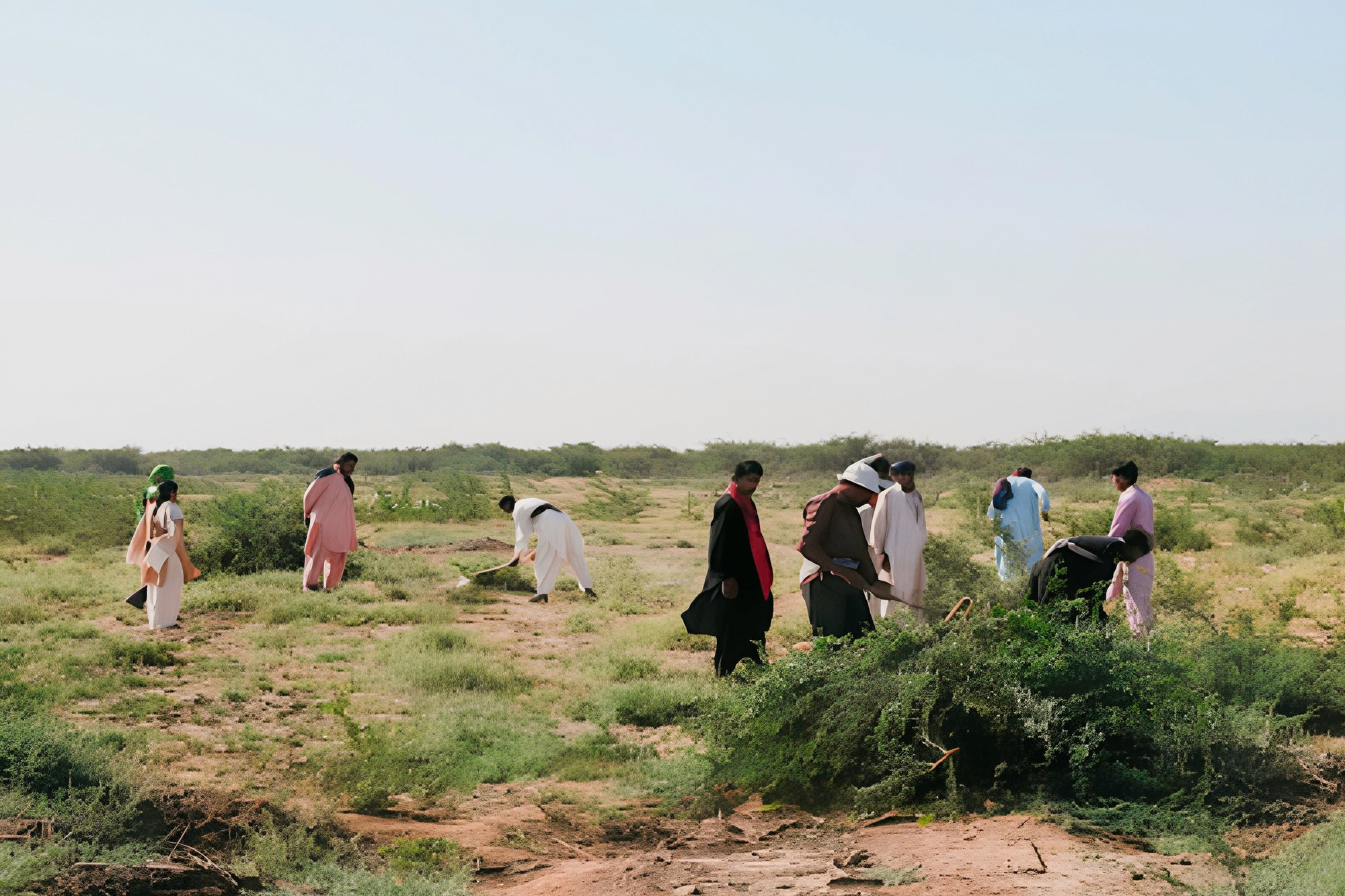

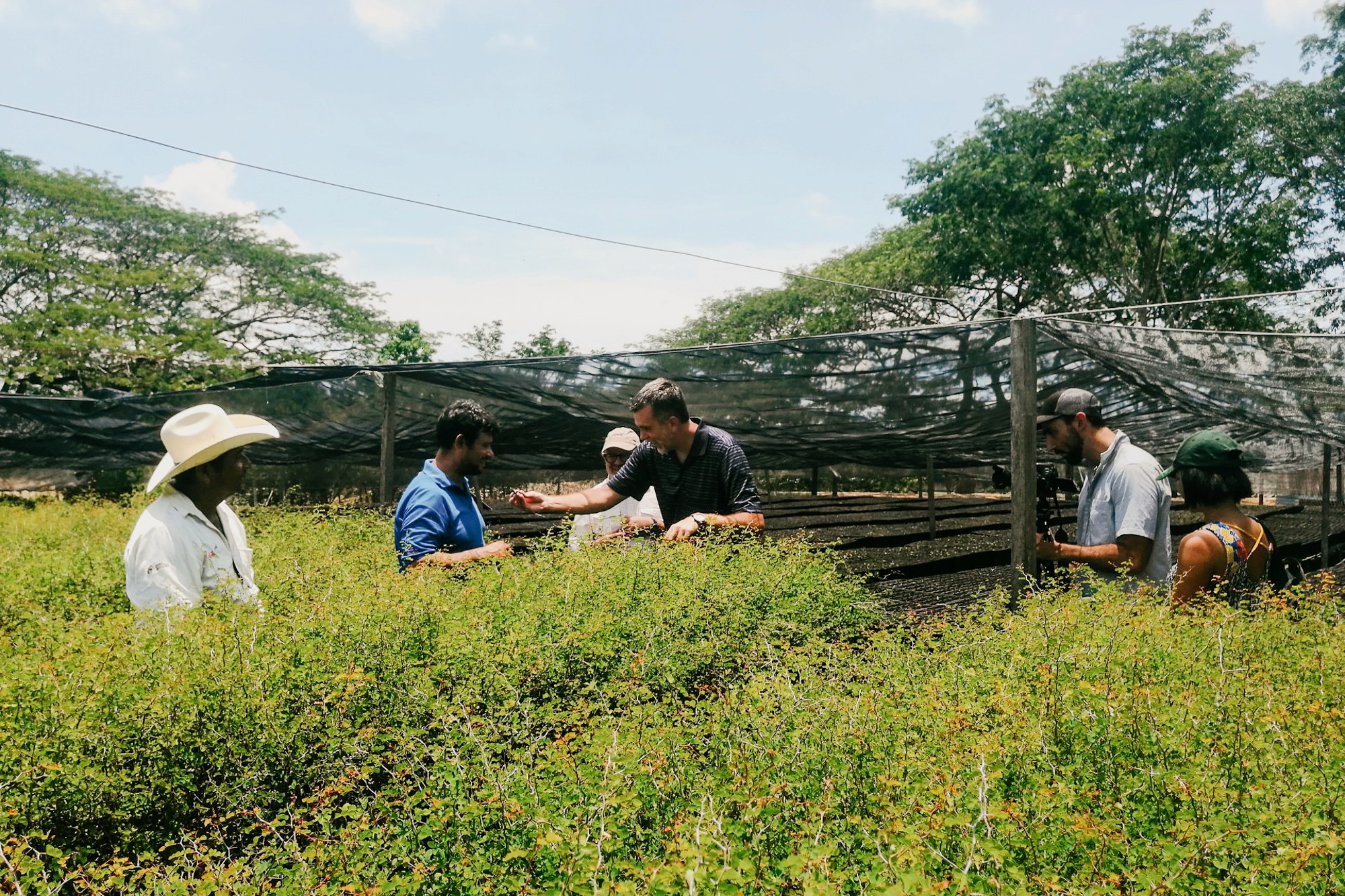
Carbon removal projects you can support
Carbon removal projects you can support
The benefits of carbon removal
Carbon removal can support climate action while creating additional benefits for nature and people.
Climate
Carbon removal projects take carbon dioxide from the atmosphere and store it for different lengths of time. A credible project must measure the amount removed, manage reversal risk and explain how long the carbon is expected to remain stored.
Nature
Nature based removal can restore forests, soils, wetlands and coastal ecosystems while supporting biodiversity. Other approaches can convert waste biomass into stable materials that may also improve soil health.
People
Well designed carbon removal projects can create jobs, support farmers and land managers and strengthen local livelihoods. Community engagement and fair benefit sharing are important parts of credible project delivery.

The benefits of carbon removal
Carbon removal can support climate action while creating additional benefits for nature and people.
Climate
Carbon removal projects take carbon dioxide from the atmosphere and store it for different lengths of time. A credible project must measure the amount removed, manage reversal risk and explain how long the carbon is expected to remain stored.
Nature
Nature based removal can restore forests, soils, wetlands and coastal ecosystems while supporting biodiversity. Other approaches can convert waste biomass into stable materials that may also improve soil health.
People
Well designed carbon removal projects can create jobs, support farmers and land managers and strengthen local livelihoods. Community engagement and fair benefit sharing are important parts of credible project delivery.
The benefits of carbon removal
Carbon removal can support climate action while creating additional benefits for nature and people.
Climate
Carbon removal projects take carbon dioxide from the atmosphere and store it for different lengths of time. A credible project must measure the amount removed, manage reversal risk and explain how long the carbon is expected to remain stored.
Nature
Nature based removal can restore forests, soils, wetlands and coastal ecosystems while supporting biodiversity. Other approaches can convert waste biomass into stable materials that may also improve soil health.
People
Well designed carbon removal projects can create jobs, support farmers and land managers and strengthen local livelihoods. Community engagement and fair benefit sharing are important parts of credible project delivery.
How we assess carbon removal projects
Ecologi uses its Carbon Project Assessment Framework to assess carbon removal projects for quality, wider benefits and delivery risk.

1. Quality
We assess certification, compliance, ratings, verification and safeguards, alongside criteria tailored to each removal method. This includes additionality, accurate measurement, storage durability, permanence, leakage and protection against double counting.
2. Co-benefits
Projects can receive additional points for evidenced contributions to the United Nations Sustainable Development Goals. These can include biodiversity restoration, improved soil health, sustainable agriculture and stronger local livelihoods, with unsupported claims penalised.
3. Risk
We assess primary risks that could compromise the project and secondary risks that could undermine buyer claims. Storage, project, physical, political and compliance risks adjust the final score. Only projects scoring 80 or higher within their project type are eligible for funding through Ecologi.
How we assess carbon removal projects
Ecologi uses its Carbon Project Assessment Framework to assess carbon removal projects for quality, wider benefits and delivery risk.
1. Quality
We assess certification, compliance, ratings, verification and safeguards, alongside criteria tailored to each removal method. This includes additionality, accurate measurement, storage durability, permanence, leakage and protection against double counting.
2. Co-benefits
Projects can receive additional points for evidenced contributions to the United Nations Sustainable Development Goals. These can include biodiversity restoration, improved soil health, sustainable agriculture and stronger local livelihoods, with unsupported claims penalised.
3. Risk
We assess primary risks that could compromise the project and secondary risks that could undermine buyer claims. Storage, project, physical, political and compliance risks adjust the final score. Only projects scoring 80 or higher within their project type are eligible for funding through Ecologi.
How we assess carbon removal projects
Ecologi uses its Carbon Project Assessment Framework to assess carbon removal projects for quality, wider benefits and delivery risk.
1. Quality
We assess certification, compliance, ratings, verification and safeguards, alongside criteria tailored to each removal method. This includes additionality, accurate measurement, storage durability, permanence, leakage and protection against double counting.
2. Co-benefits
Projects can receive additional points for evidenced contributions to the United Nations Sustainable Development Goals. These can include biodiversity restoration, improved soil health, sustainable agriculture and stronger local livelihoods, with unsupported claims penalised.
3. Risk
We assess primary risks that could compromise the project and secondary risks that could undermine buyer claims. Storage, project, physical, political and compliance risks adjust the final score. Only projects scoring 80 or higher within their project type are eligible for funding through Ecologi.
Support carbon removal projects
Explore the Impact Marketplace to find carbon removal projects you can support.
Support carbon removal projects
Explore the Impact Marketplace to find carbon removal projects you can support.
Support carbon removal projects
Explore the Impact Marketplace to find carbon removal projects you can support.
Frequently asked questions
What is carbon removal?
Carbon removal takes carbon dioxide from the atmosphere and stores it through natural or technological processes. Storage can range from growing forests and restoring coastal ecosystems to producing biochar or accelerating natural mineral reactions.
What are the different types of carbon removal projects?
Carbon removal projects include afforestation, reforestation and revegetation, biochar, blue carbon, regenerative agriculture and enhanced rock weathering. Each method differs in how carbon is captured, measured and stored.
What is the difference between carbon removal and carbon avoidance?
Carbon removal captures carbon dioxide already present in the atmosphere. Carbon avoidance prevents emissions before they occur, so the two approaches produce different climate outcomes and require different assessment criteria.
What makes a high-quality carbon removal credit?
A high-quality carbon removal credit should demonstrate additionality, accurate measurement and durable carbon storage. It should also protect against reversal, leakage and double counting while using transparent monitoring and independent verification.
How does Ecologi assess carbon removal projects?
Ecologi assesses carbon removal projects through the CPAF’s Quality, Co-benefits and Risk modules. The assessment considers climate impact, benefits for nature and people, evidence-backed SDG contributions and risks that could affect delivery or buyer claims.
How can businesses fund carbon removal projects?
Businesses can fund carbon removal projects and purchase carbon removal credits through Ecologi’s Impact Marketplace. Available options include reforestation, regenerative agriculture, blue carbon and biochar projects.
Frequently asked questions
What is carbon removal?
Carbon removal takes carbon dioxide from the atmosphere and stores it through natural or technological processes. Storage can range from growing forests and restoring coastal ecosystems to producing biochar or accelerating natural mineral reactions.
What are the different types of carbon removal projects?
Carbon removal projects include afforestation, reforestation and revegetation, biochar, blue carbon, regenerative agriculture and enhanced rock weathering. Each method differs in how carbon is captured, measured and stored.
What is the difference between carbon removal and carbon avoidance?
Carbon removal captures carbon dioxide already present in the atmosphere. Carbon avoidance prevents emissions before they occur, so the two approaches produce different climate outcomes and require different assessment criteria.
What makes a high-quality carbon removal credit?
A high-quality carbon removal credit should demonstrate additionality, accurate measurement and durable carbon storage. It should also protect against reversal, leakage and double counting while using transparent monitoring and independent verification.
How does Ecologi assess carbon removal projects?
Ecologi assesses carbon removal projects through the CPAF’s Quality, Co-benefits and Risk modules. The assessment considers climate impact, benefits for nature and people, evidence-backed SDG contributions and risks that could affect delivery or buyer claims.
How can businesses fund carbon removal projects?
Businesses can fund carbon removal projects and purchase carbon removal credits through Ecologi’s Impact Marketplace. Available options include reforestation, regenerative agriculture, blue carbon and biochar projects.
We use necessary cookies to make the site work and others to give you a better experience. Learn more in our cookie policy.
We use necessary cookies to make the site work and others to give you a better experience. Learn more in our cookie policy.
We use necessary cookies to make the site work and others to give you a better experience. Learn more in our cookie policy.